Salt, Kelp, and Catch of the Day: How California's Coastal Chefs Cook With the Ocean Itself
There's a particular kind of morning that happens in coastal California kitchens. The chef is already at the docks before the restaurant opens, talking to someone who hasn't slept. The fisherman offloads whatever the night produced — maybe rockfish, maybe sea urchin, maybe something that doesn't have a great English name yet — and the menu for that evening gets rewritten around it.
This is not a marketing story about farm-to-table. It's something older and more specific: cooking that exists in genuine relationship with the water outside the window.
Along California's roughly 840 miles of coastline, a growing number of chefs are treating ocean proximity as more than a view. The salt air, the seasonal catch, the proximity to fishing families who've worked the same waters for generations — these are being folded into menus in ways that go well beyond a grilled fish special.
The Terroir of the Sea
Wine people talk about terroir constantly — the idea that place shapes flavor in ways that can't be fully replicated elsewhere. Coastal California chefs are starting to apply the same logic to seafood.
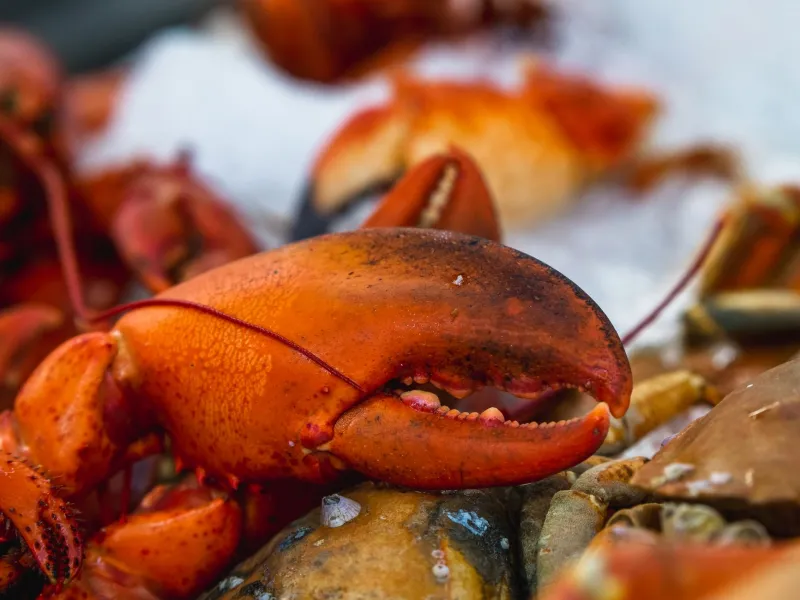
The cold, nutrient-rich waters of the California Current run along the state's coast, and what it produces is genuinely distinctive. Dungeness crab from the waters off Bodega Bay tastes different from Gulf crab. Monterey Bay squid has a texture and sweetness that's specific to those cold, upwelling-driven waters. Santa Barbara sea urchin — uni to sushi devotees worldwide — is prized precisely because the channel's particular conditions produce roe with a sweetness and clean ocean flavor that's hard to find elsewhere.
Chefs who work closely with local fishing boats develop an almost intuitive sense of these variations. They notice when the albacore season runs early, when the Dungeness are smaller than usual, when the sea urchin is at peak quality before the water warms.
"You stop thinking of it as just an ingredient," said one Monterey-area chef who sources exclusively from day-boat fishermen. "You start thinking of it as a conversation with the season."
Big Sur and the Art of Restraint
The stretch of coast between Carmel and Big Sur has always attracted a certain kind of cook — one drawn to dramatic landscapes and the challenge of working in relative isolation. Supply chains are complicated here. The nearest major distributor is hours away. What's local becomes necessary, not just aspirational.
Several small restaurants in the area have built their identities around exactly that constraint. Menus change based on what fishing boats bring in at Monterey, what foragers pull from the coastal hills, what the kitchen garden produces in a given week. The result is food that feels genuinely rooted — not in a styled, editorial way, but in the way that things taste when they haven't traveled far.
Salt air does something real to food, too. Chefs in this stretch of coast talk about how produce grown near the ocean picks up a faint mineral character, how herbs like sea rocket and sea purslane — foraged from coastal bluffs — bring a natural salinity that changes how you season a dish. You use less. The ocean has already done some of the work.
Morro Bay: A Fishing Town That Stayed a Fishing Town
Not every coastal food story is about fine dining. Morro Bay, anchored by its iconic volcanic rock and still home to a working fishing fleet, has managed to hold onto its identity as an actual fishing community even as the surrounding Central Coast has become increasingly wine-tourism-focused.
The oyster farms in the back bay produce some of the best bivalves on the West Coast — briny, cold-water oysters that need almost nothing done to them. A few restaurants in town have built their entire identity around that simplicity. Fresh oysters, good local wine, a view of the estuary. That's the whole pitch, and it works.
The fishing community here has also become a source for species that don't show up on many menus: sablefish (black cod), sand dabs, Pacific halibut when the season allows. Chefs who take the time to build relationships with the boats that bring these in get access to fish that most restaurants — even good ones — simply can't source.
San Diego's Cross-Border Coastal Kitchen
As you move south, the ocean stays the same but the culinary context shifts dramatically. San Diego's proximity to Baja California creates a coastal food culture that's genuinely its own thing — influenced by Mexican fishing traditions, by the Baja Med culinary movement that emerged from Ensenada, and by the same cold Pacific waters that run the length of the coast.
Chefs in San Diego's coastal neighborhoods are working with ingredients that blur the border: yellowtail from the Coronado Islands, clams and mussels farmed in Baja waters, herbs and chiles that come from farms a few miles south of the line. The result is food that doesn't fit neatly into any single culinary category, and that's precisely what makes it interesting.
The wine pairings here get creative, too. Baja's Valle de Guadalupe produces wines — particularly Grenache-based blends and crisp whites — that are natural partners for the region's seafood-forward cooking. A few San Diego restaurants have started building out Baja wine lists alongside California options, which is both a practical and genuinely delicious choice.
What Ocean Proximity Actually Means for a Menu
It's worth being specific about what it means, practically, when a restaurant operates in genuine relationship with its coastal location.
It means the menu changes. Not seasonally in the vague, aspirational sense, but week to week, sometimes day to day. It means the kitchen needs to be flexible — skilled at breaking down whole fish, comfortable working with species that don't have a standard prep template, willing to explain to a server at 4 p.m. that tonight's fish is something most customers have never ordered before.
It means relationships. The chefs doing this well aren't just calling a distributor. They're at the docks. They know the names of the boats. They sometimes buy fish that comes in at a weird size or in smaller quantities than they'd prefer, because the relationship matters more than the convenience.
And it means honesty on the plate. When you're cooking with something that was alive in the ocean 18 hours ago, the food doesn't need a lot of architectural intervention. The best coastal California cooking right now tends to be relatively simple — high-quality fish or shellfish, thoughtful seasoning, maybe something from the garden or the hills nearby. The ocean is already doing the heavy lifting.
A Note on Wine Pairings
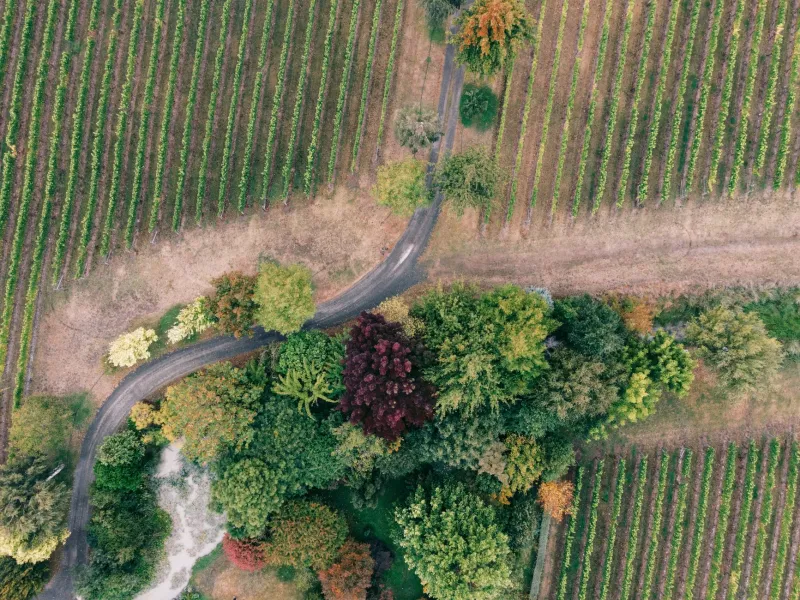
For the record: the wines that work best with this kind of cooking tend to be coastal themselves. Chardonnay and Pinot Noir from the Sonoma Coast, Albariño from the Santa Barbara area, Vermentino from producers working near the Central Coast's marine-influenced zones — these wines share a mineral, saline quality that mirrors the food they're sitting next to.
It's not a coincidence. Proximity to the ocean shapes the vines the same way it shapes the kitchen. That's the whole story, really.