Eat What's Ready: A California Seasonal Guide to Shopping, Cooking, and Pouring All Year Long
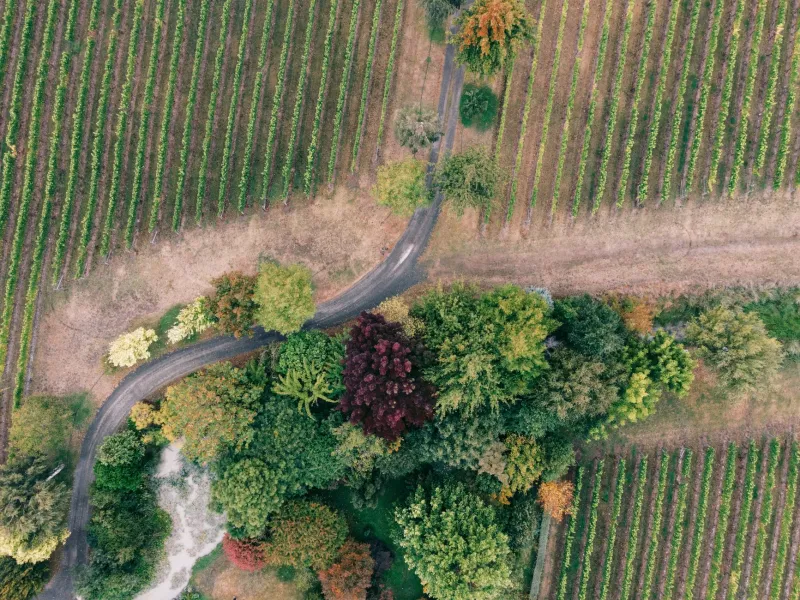
California produces something edible in every single month of the year. That's not marketing — it's geography. With climates ranging from the foggy Sonoma Coast to the scorching Central Valley floor to the high desert of the Coachella Valley, the state operates multiple growing seasons simultaneously, and what's peaking in one region is often just starting somewhere else.
The challenge isn't availability. It's attention.
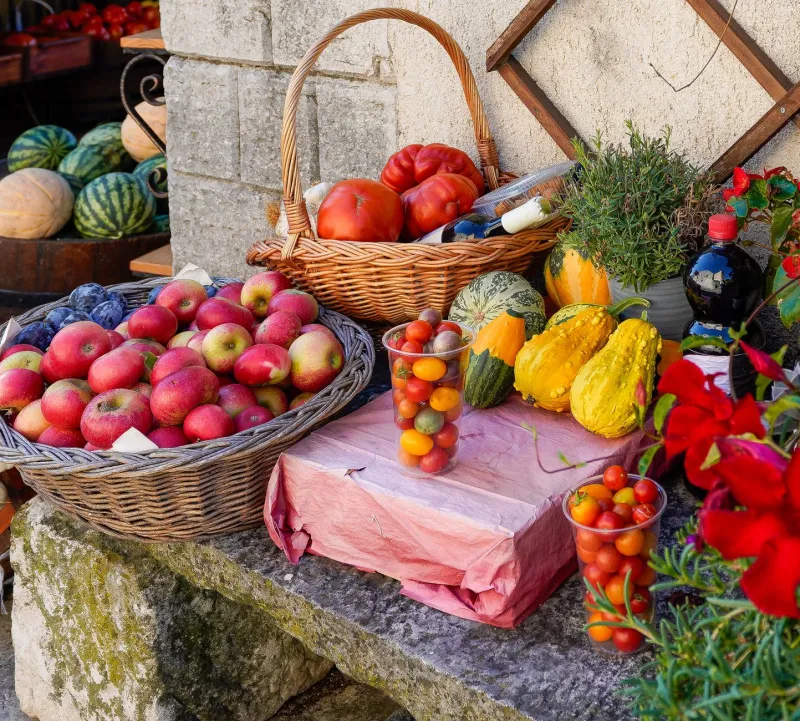
Farmers markets in California can feel overwhelming precisely because there's always something. But there's a difference between something and the right thing — the tomato at absolute peak sweetness, the persimmon that's finally soft enough, the spring pea that tastes like the season itself. This guide is about learning to recognize that difference and building your eating, cooking, and wine-drinking habits around it.
Spring (March – May): Everything Waking Up at Once
What's Growing
Spring in California is almost aggressively productive. Asparagus comes up first — look for fat Delta asparagus from the Sacramento-San Joaquin region, which has a sweetness and tenderness that pencil-thin asparagus can't match. Artichokes hit their stride in April and May along the coast, particularly around Castroville, which has been calling itself the artichoke capital of the world for decades and isn't really wrong.
Strawberries from the Watsonville and Santa Maria areas arrive in force. Fava beans, English peas, and spring onions show up at farmers markets and disappear quickly. Morel mushrooms, foraged from foothill forests after the first warm rains, are a fleeting and genuinely thrilling ingredient if you can find them.
How to Cook It
Spring produce wants light treatment. Blanch and dress asparagus with good olive oil and lemon. Shave raw artichoke hearts into salads when they're young and tender enough. Smash fresh favas with mint and ricotta and put them on toast. Let the ingredients do the talking — heavy sauces are an insult to produce this good.
What to Pour
Spring calls for wines with freshness and a little energy. Look for:
- Dry Rosé from Sonoma or the Central Coast — mineral, crisp, and endlessly versatile with spring vegetables
- Vermentino from producers working in warmer inland areas — herbal and bright, great with anything green
- Unoaked or lightly oaked Chardonnay from Santa Barbara County — clean fruit, good acid, and enough weight to handle a creamy fava preparation
Summer (June – August): Peak Everything
What's Growing
This is the season California was made for. Stone fruit — peaches, nectarines, apricots, plums, cherries — comes in waves from the San Joaquin Valley and the foothills. Corn arrives in July, sweet and milky, and the best of it comes from small farms rather than commodity growers. Tomatoes hit their peak in August: heirlooms, Sungolds, San Marzanos, dry-farmed Early Girls from the Santa Cruz area that have an intensity of flavor that's almost shocking.
Zucchini and summer squash are everywhere (everyone's neighbor has too many). Basil is at its most fragrant. Figs start in late July and run through early fall.
How to Cook It
Summer cooking in California should be as close to raw or barely cooked as possible. Slice a dry-farmed tomato and eat it with salt. Grill corn in the husk and dress it with lime and cotija. Make peach salads with arugula and prosciutto. The farmers market in August is essentially a finished dish — you're just arranging it.
For those who do want to cook: a slow-roasted tomato sauce made in August and frozen will taste better in January than anything you can buy at any point in the year.
What to Pour
Summer is warm, the food is vibrant, and you want wines that keep up without weighing things down.
- Sparkling wine from the Anderson Valley or Carneros — nothing better on a hot afternoon
- Grenache Blanc or Roussanne from the Central Coast — textural whites with enough body for richer summer dishes
- Light Pinot Noir from the Sonoma Coast, served with a slight chill — works beautifully with grilled salmon or a summer charcuterie spread
- Dry Riesling from cooler coastal producers — underrated with stone fruit-based preparations and spicy foods
Fall (September – November): The Harvest Season
What's Growing
Fall is when California's agricultural identity becomes impossible to ignore. Wine grapes are being harvested across every major appellation. Winter squash — delicata, kabocha, butternut — appears at markets alongside dried beans, pomegranates, and the first citrus of the season (mandarins and satsumas lead the way).
Apples and pears from the Sierra Nevada foothills and the high-elevation orchards of the Central Valley are at peak flavor. Persimmons — both the crunchy Fuyu and the jammy, pudding-like Hachiya — are one of fall's great underappreciated pleasures. Mushroom season picks up again as temperatures drop and rains return: chanterelles, porcini, and hedgehog mushrooms from Northern California forests.
How to Cook It
Fall cooking can finally get a little more substantial. Roast delicata squash with brown butter and sage. Braise dried beans with a piece of smoked pork. Make a pomegranate molasses glaze for duck or lamb. Stuff Hachiya persimmons into a pudding cake that tastes exactly like the season.
This is also the best time to put up preserves — apple butter, quince paste, pickled peppers — that will carry summer and fall flavors into the darker months.
What to Pour
Harvest season wines should match the earthier, richer flavors of fall cooking.
- Zinfandel from Dry Creek Valley or Lodi — jammy, spiced, and perfect with roasted meats and hearty braises
- Rhône-style blends (Syrah, Grenache, Mourvèdre) from Paso Robles — earthy and structured, great with mushroom dishes
- Sparkling Riesling or Gewürztraminer from Mendocino County — a wildcard pairing with pomegranate and persimmon preparations that actually works
Winter (December – February): Citrus, Roots, and Slow Cooking
What's Growing
Winter is when California's citrus heritage takes center stage. Navel oranges, blood oranges, Meyer lemons, Cara Cara oranges, grapefruits, and kumquats roll through the season in succession. The Central Valley is also producing brassicas — broccoli, cauliflower, Brussels sprouts — and root vegetables like beets, turnips, and carrots that have been sweetened by cold nights.
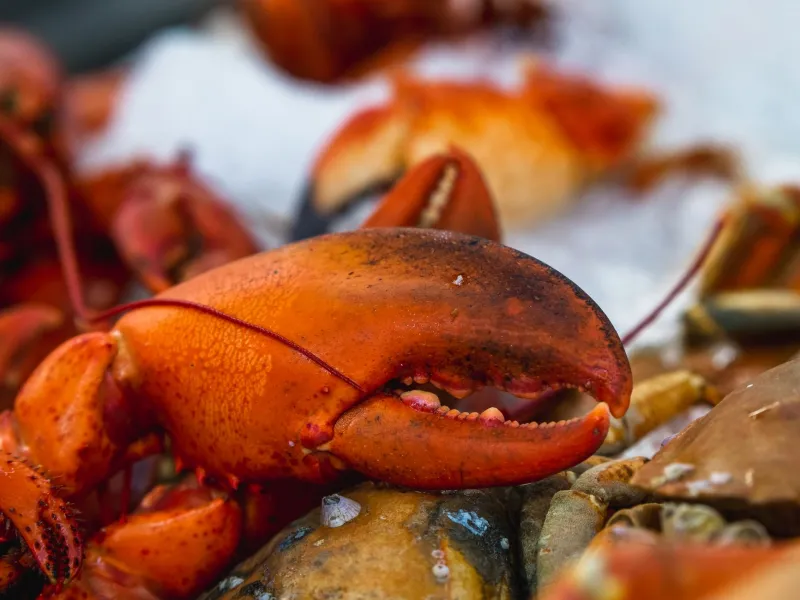
Dungeon crab season is in full swing on the Northern California coast. Dungeness is arguably the best crab in the country, and winter is when it's at its most available and most affordable.
How to Cook It
Winter cooking in California doesn't have to be heavy, but it can be slow. Braise short ribs with blood orange and olives. Roast a whole cauliflower with harissa and yogurt. Make a citrus salad with fennel and good olive oil that tastes like sunshine in February. Crack a Dungeness crab and eat it at the kitchen table with drawn butter and sourdough bread.
Citrus zest is a winter kitchen workhorse — it brightens braises, enriches baked goods, and transforms a simple vinaigrette.
What to Pour
Winter is the season for bigger, more contemplative wines — bottles you open slowly and drink over the course of an evening.
- Cabernet Sauvignon from Napa Valley or the Alexander Valley — structured and age-worthy, perfect with braised meats
- Chardonnay with some oak from the Russian River Valley — rich enough to stand up to crab and cream-based preparations
- Aged Pinot Noir from the Santa Lucia Highlands — earthy, complex, and revelatory with root vegetable dishes
- Tawny-style Port or late-harvest Zinfandel from Amador County — dessert wines that pair beautifully with citrus tarts and almond-based pastries
The Simplest Rule
If there's one thing this guide is really saying, it's this: go to the farmers market before you plan your meals, not after. Let what's actually there — the thing that looks best, the thing the farmer is excited about, the thing you've never cooked before — drive your decisions.
Do the same thing with wine. Buy from producers who are working with the seasons, who are farming sustainably, who are making wines that reflect where they come from. Then put those wines next to food that reflects the same values.
That's the whole system. California makes it easy — if you're paying attention.