The Long Way Through Wine Country: Forgotten Stops Between Napa and Paso Robles
Most California wine travelers do the same thing: they spend a long weekend in Napa, maybe swing through Sonoma, and then — if they're ambitious — make the four-hour push south to Paso Robles. It's a perfectly good trip. It's also one of the most predictable routes in American wine tourism.
What if you took the long way?
Between Napa Valley and the rolling hills of Paso, there's a loose string of wine regions, farm stands, family producers, and genuinely great restaurants that most visitors skip entirely. Not because they're not worth stopping at — they absolutely are — but because nobody told them to.
Consider this your invitation to recalibrate the GPS.
Start Slower: The Livermore Valley Deserves More Than a Glance
About an hour east of San Francisco, Livermore Valley is the kind of place that wine nerds mention with a knowing nod and tourists drive past without blinking. That's a mistake.
This is one of California's oldest wine-producing regions — vines have been growing here since the 1880s — and a handful of producers are making wines that would hold their own in any blind tasting. The valley's warm days and cool evenings, pushed by Delta breezes, are particularly kind to white Bordeaux varieties. Look for Sauvignon Blanc and Sémillon from small producers who've been farming the same parcels for generations.
Tasting rooms here are rarely crowded. Pours are generous. Conversations with the people actually making the wine happen regularly, not as a special VIP perk. Grab a bottle of something local and eat lunch at one of the family-owned spots in downtown Livermore, where the food scene has quietly grown up around the wine community.
Cutting Through the Santa Clara Valley
Yes, Silicon Valley and wine country occupy the same geography. Once you get past the tech campuses, the Santa Clara Valley still has working wineries tucked into the foothills, some of them operating on land that's been in the same family for over a century.
This stretch rewards the curious driver. The terrain shifts quickly from suburban sprawl to open hillsides dotted with old-vine Zinfandel. A few small producers here are doing genuinely interesting work with Italian varieties — Sangiovese, Barbera — that thrive in the warm interior climate. You won't find these bottles on many restaurant lists, which is exactly the point.
If you're passing through on a weekend, check whether any of the smaller tasting rooms are open. Hours can be irregular, and many operate by appointment only — which is honestly part of the charm.
The San Benito County Surprise
San Benito County doesn't come up much in wine conversations, and that's a genuine shame. Tucked between the Diablo Range and the Gabilan Mountains, this inland region has an agricultural character that feels completely removed from the polished wine country aesthetic.
Calera Wine Company put this region on the map decades ago with Burgundian-style Pinot Noir grown on limestone-rich soils — the same geological feature that makes Burgundy's Côte d'Or so distinctive. The estate has changed hands in recent years, but the vineyards themselves remain compelling, and the broader area is worth exploring for anyone who likes their wine with a side of geological history.
Hollister, the county seat, is a small agricultural town with a handful of spots worth stopping at for a meal. Nothing fancy, nothing curated for out-of-towners — just good food made for the people who actually live there.
Edna Valley and Arroyo Grande: The Quiet Before Paso
As you get within striking distance of San Luis Obispo, the landscape opens up and the Pacific influence becomes impossible to ignore. Edna Valley and neighboring Arroyo Grande Valley sit in a natural corridor that funnels cool marine air inland — and that cold-climate effect on Chardonnay and Pinot Noir is remarkable.
These AVAs sit in the shadow of their flashier northern neighbor (Santa Barbara County's Sta. Rita Hills gets most of the press), but the wines here are genuinely excellent and the tasting room scene is refreshingly low-key. You can still walk into a small producer, pay a modest tasting fee, and spend an hour talking about farming philosophy with someone who actually works the land.
San Luis Obispo itself — just a short drive away — has become one of the better small food cities on the California coast. The downtown restaurant scene pulls from local farms and the nearby fishing community at Morro Bay, and the craft beverage culture is real, not performative.
Practical Notes for Planning Your Route
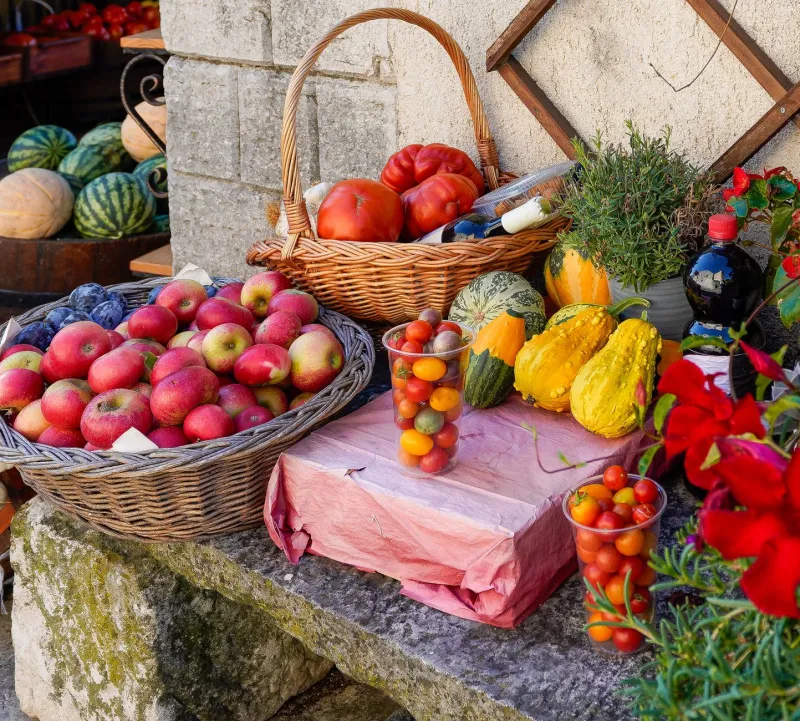
This is not a trip that benefits from over-scheduling. The whole appeal is in the flexibility — the ability to linger somewhere unexpected, to follow a recommendation from a tasting room pour, to stop at a roadside farm stand because the peaches look incredible.
A few things worth keeping in mind:
- Call ahead for small producers. Many of the best spots along this route operate by appointment or have limited hours. A quick phone call or email can make the difference between a closed gate and a private tasting.
- Eat local and eat early. Small-town restaurants in these regions often run out of specials by 7 p.m. Don't show up expecting a metropolitan dining experience — show up expecting honest food made by people who know their suppliers by name.
- Buy what you taste. Shipping wine is expensive and sometimes complicated. If you love something in a tasting room, get it there. A lot of these small producers don't have distribution outside their immediate region.
- Give yourself at least three days. Rushing this route defeats the purpose. The best version of this trip is slow, meandering, and completely unscheduled after the first night's reservation.
The Real Reward Is What You Won't Instagram
The most honest thing to say about this route is that it doesn't photograph as dramatically as Napa in harvest season or Paso in spring bloom. The scenery is sometimes scrubby and industrial and genuinely unglamorous.
But the wines are often extraordinary, the producers are almost always more accessible, and the experience of drinking something exceptional in a place most people haven't heard of — that's a feeling that doesn't really translate to a photo anyway.
California wine country is enormous and varied and strange, and the version most tourists see is a small, well-curated fraction of it. The long way is better. Take it.