Ancient Grain, New Bread: Meet the California Farmers and Bakers Bringing Heritage Wheat Back to Life
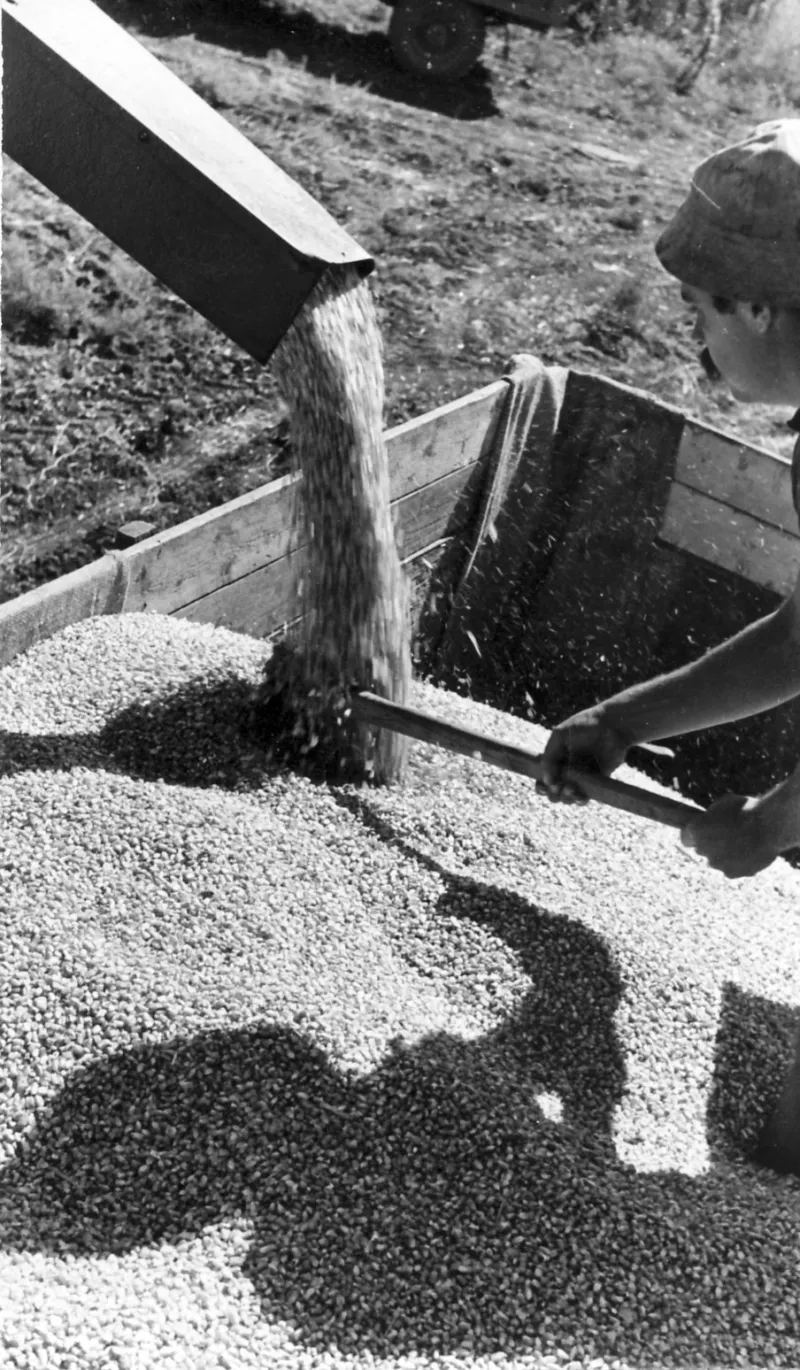
Photo: אין מידע, CC BY 2.5, via Wikimedia Commons
There's a loaf of bread sitting on a wooden table at Grist & Toll, a small flour mill tucked into an industrial corner of Pasadena, and it smells like something your grandmother might have made — if your grandmother had grown up on a farm in the San Joaquin Valley in 1910. The flour it's made from comes from a variety of wheat called Red Fife, grown about two hours north in the Sacramento Valley. It was nearly extinct twenty years ago. Today, it's becoming a quiet obsession among California's most serious bakers.
This is the flour renaissance, and it's happening all over the state.
California's Forgotten Grain History
Most people know California for wine, almonds, avocados, and strawberries. Fewer know that the state was once one of the most important wheat-producing regions in the entire United States. In the late 1800s, California's Central Valley shipped grain to markets in Europe and South America. The wheat fields stretched for miles. The milling industry was booming.
Then commodity agriculture took over. Wheat varieties were standardized for yield and shelf life, not flavor. Small mills closed. The grain-growing tradition that had shaped California's agricultural identity for generations quietly faded from view.
What's happening now is a kind of archaeological recovery — farmers and millers going back through seed libraries and agricultural records to find the varieties that were grown before industrial farming homogenized everything. And what they're discovering is that those old wheats taste genuinely different. More complex. More alive.
The Farms Making It Happen
About 90 miles north of Sacramento, in the rolling foothills of Glenn County, Koda Farms has been growing rice for generations. But nearby, a new wave of small grain operations is establishing itself on leased and family-owned land, planting heritage varieties like Sonora White, Turkey Red, and Einkorn — some of the oldest cultivated wheats in human history.
Sonora White is particularly significant in a California context. It was one of the first wheats grown in the state, brought north by Spanish missionaries in the 1700s. It's a soft wheat, low in gluten, and it produces a flour that's almost silky — perfect for tortillas, flatbreads, and delicate pastries. When you taste something made with it, there's a sweetness and a subtlety that modern all-purpose flour simply can't replicate.
"People always ask me what the difference is," says one small-scale grain farmer in the Sacramento Valley who has been growing Sonora White and Red Fife for the past six years. "I tell them to make a simple flatbread with our flour and then make the same thing with grocery store flour. They never ask again."
The terroir argument — the idea that where and how something is grown shapes how it tastes — applies to wheat just as it does to wine grapes. Wheat grown in the mineral-rich clay soils of the Sacramento Delta tastes different from wheat grown in the sandier soils of the San Joaquin. Elevation matters. Rainfall matters. The timing of the harvest matters.
The Millers in the Middle
Between the farm and the bakery, there's a critical step that the industrial food system largely eliminated: stone milling. Most commercial flour is roller-milled, a process that strips out the bran and germ to produce a shelf-stable, highly consistent product. It's efficient. It's not particularly flavorful.
Stone milling preserves more of the whole grain — including the oils in the germ that carry so much of the wheat's flavor. The resulting flour has a shorter shelf life and requires a little more skill to bake with, but the payoff in taste is significant.
Grist & Toll in Pasadena is one of a small but growing number of California mills working directly with heritage grain farmers to produce stone-milled flours that are sold to restaurants, bakeries, and home cooks. Nan Kohler, who founded the mill, has been evangelizing for regional grain since before it was fashionable.
"California has incredible growing conditions for wheat," she says. "We just stopped paying attention to it. The goal is to help people understand that flour has a place of origin, just like wine does."
That comparison to wine is one that comes up repeatedly in conversations with millers and bakers. It's not just a marketing hook — it reflects a genuine shift in how people are thinking about grain as an ingredient with character, not just a neutral base.
What the Bakers Are Doing With It
In San Francisco, which has its own deep relationship with bread culture, a handful of bakeries have started sourcing exclusively from California heritage grain producers. The results show up in loaves with more complex crumb structure, deeper color, and flavors that change subtly with each harvest — something that would be considered a flaw in a commercial bakery but reads as terroir-driven character to anyone paying attention.
Pasta makers are getting in on it too. A number of California restaurants with house-made pasta programs have started experimenting with heritage durum varieties that produce noodles with a nuttier, more assertive flavor than standard semolina. Paired with simple sauces — brown butter, good olive oil, aged cheese — the pasta becomes the point of the dish in a way that commercial semolina rarely allows.
Pastry chefs are perhaps the most excited of all. The lower gluten content of varieties like Sonora White produces pie crusts and tart shells with a tenderness and flavor that's genuinely revelatory. At several farm-to-table restaurants up and down the state, heritage wheat pastry has become a quiet signature — something guests notice without always knowing why.
Where to Find It
If you want to taste the flour renaissance for yourself, the best starting point is a farmers market. Mills like Grist & Toll, Cairnspring Mills (which sources from California and the Pacific Northwest), and a handful of smaller regional operations sell directly to consumers in small bags that are perfect for weekend baking projects.
For a restaurant experience, look for spots that list their flour sourcing on the menu — an increasingly common practice among farm-to-table establishments that take their bread program seriously. In the Bay Area, Los Angeles, and Sacramento especially, you'll find bakeries and restaurants that have made California grain a cornerstone of what they do.
And if you get the chance to visit a working grain farm or stone mill, take it. Standing in a field of Red Fife wheat, watching it move in the Central Valley breeze, connects you to a California food story that's older than the wine industry — and just as worth celebrating.