No List, No Problem: The California Restaurants Rewriting the Rules of What's in Your Glass
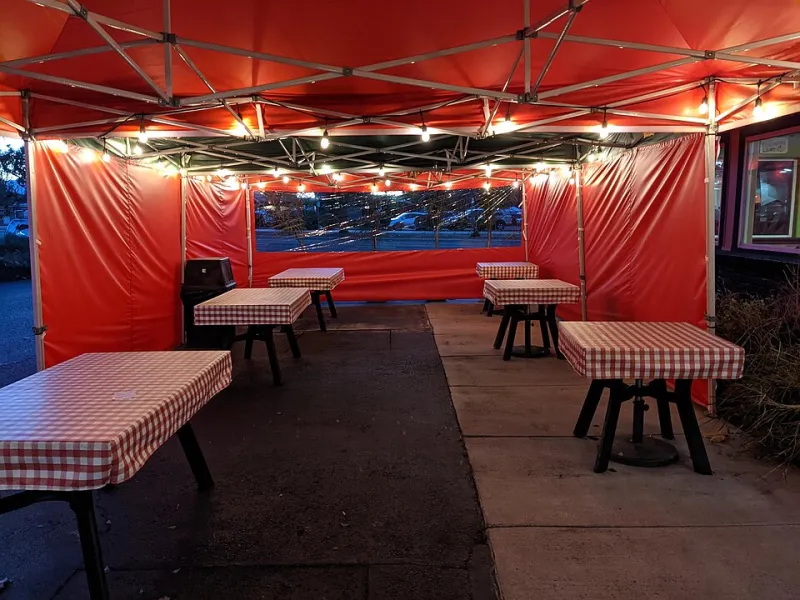
Photo: Travis Wise from Bay Area, California, United States, CC BY 2.0, via Wikimedia Commons
Picture the scene: you sit down at a buzzy restaurant in San Francisco's Mission District, open the menu, and find exactly zero wine options listed by bottle. No Napa Cab. No Sonoma Chardonnay. No by-the-glass section with twelve predictable choices. Instead, there's a handwritten note: Ask your server what we're pouring tonight.
For some diners, that's a dream. For others, it's a mild panic attack. Either way, it's increasingly the reality at a growing number of California restaurants that have decided the traditional wine list is more trouble than it's worth — or simply doesn't reflect the kind of drinking experience they want to offer.
Why the List Is Losing Its Luster
The traditional restaurant wine list is, if we're being honest, a bit of a relic. It was designed for a world where wine came from a handful of prestigious regions, where diners expected to pay a steep markup for the privilege of a recognizable label, and where the sommelier's job was essentially to upsell.
That world still exists — but it's sharing space with something very different.
"The list model assumes that the customer wants to be in control," says one beverage director at a popular Oakland restaurant who recently switched to a rotating selection of natural and low-intervention wines with no printed menu. "But a lot of our guests actually want to be surprised. They trust us. They just want something delicious."
That trust-based approach is central to what's happening here. Restaurants abandoning the wine list aren't doing it out of laziness. They're doing it because they've built relationships with their guests — and with small producers — that make a static, printed list feel limiting.
The Natural Wine Connection
It's impossible to talk about this movement without talking about natural wine. The rise of low-intervention, minimal-sulfite, often-funky bottles has given restaurants a whole new vocabulary for what a beverage program can look like. And because natural wine production is small by nature, it doesn't lend itself to the kind of consistent, large-format purchasing that a traditional list requires.
"We might get six bottles of something extraordinary from a small producer in the Santa Cruz Mountains," explains the owner of a wine bar and small plates spot in Los Angeles' Silver Lake neighborhood. "Six bottles. We're not putting that on a printed list. We're pouring it until it's gone and then moving on to the next thing."
This is the heartbeat of the new model: impermanence as a feature, not a bug. Wine that's here today and gone next week. Producers you've never heard of sitting next to bottles from names you recognize. A beverage program that feels alive because it actually changes.
Several California restaurants have taken this even further, building their entire identity around a rotating "house pour" concept — one or two wines served to everyone at the table, chosen by the kitchen to complement whatever's being cooked that night. It's the wine equivalent of a chef's tasting menu, and it's catching on.
The Sommeliers Leading the Charge
You might expect sommeliers to resist this shift. The traditional wine list is, after all, their domain — their expertise made visible and legible to the dining public. But many of the most credentialed wine professionals in California are actually driving this change.
"A printed list is a snapshot," says one certified sommelier who works at a farm-to-table restaurant in the Napa Valley that recently moved to a more fluid beverage program. "It freezes your thinking. I'd rather have a conversation with a guest about what they actually want to drink than point them at a laminated page."
That conversational approach changes the dynamic between server and diner in ways that go beyond wine. It makes the meal feel more collaborative. It opens up space for recommendations that a printed list would never allow — like pairing a glass of pét-nat with a dish that a traditional sommelier might have matched with something more conventional.
How Diners Are Responding
Not everyone is on board, and that's worth acknowledging. Some guests — particularly those who've spent years building wine knowledge specifically to navigate traditional lists — find the no-list approach disorienting or even a little condescending. "I know what I want to drink," is a reasonable thing to think when someone tells you the choice has been made for you.
But the restaurants making this work are careful about how they handle it. The best ones make the conversation feel like a collaboration, not a lecture. They ask questions. They listen. They're genuinely trying to find you something you'll love, not just whatever they need to move.
And increasingly, younger diners — the ones who grew up ordering off apps and trusting algorithms to surface things they didn't know they wanted — seem genuinely comfortable with the model. They've been trained to trust curation. A sommelier's recommendation doesn't feel that different from a playlist someone made for them.
Where California Dining Is Headed
The no-list movement is still a niche phenomenon. Most California restaurants, even very good ones, still maintain traditional wine programs. But the direction of travel seems clear.
As small-production California wine continues to grow — from the Anderson Valley to the Sta. Rita Hills to the high-desert vineyards of Tehachapi — restaurants will have more and more reason to build flexible, responsive programs that can keep up with what's actually available. A printed list can't do that. A knowledgeable, curious beverage team can.
The dinner table, it turns out, is a pretty good place to take a risk.