What's Actually in Their Glass: The Secret Wine Lives of California's Top Winemakers
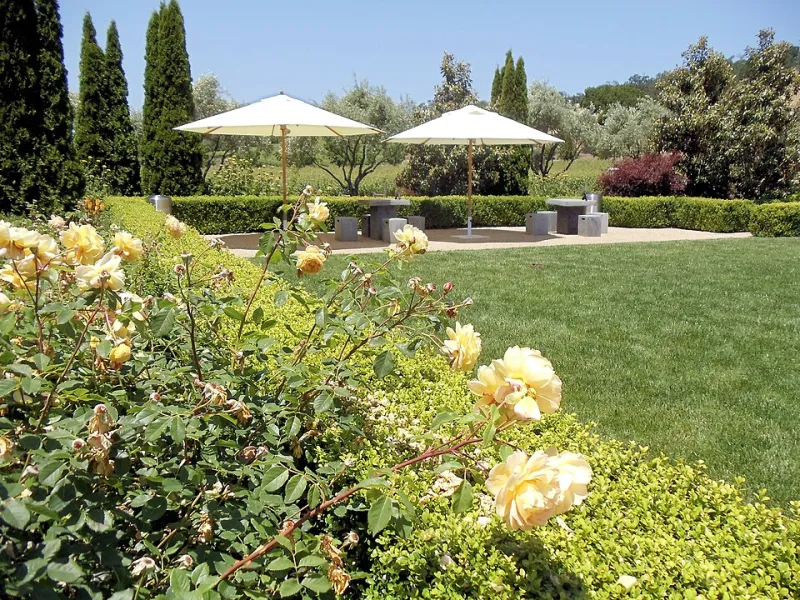
Photo: Jim G from Silicon Valley, CA, USA, CC BY 2.0, via Wikimedia Commons
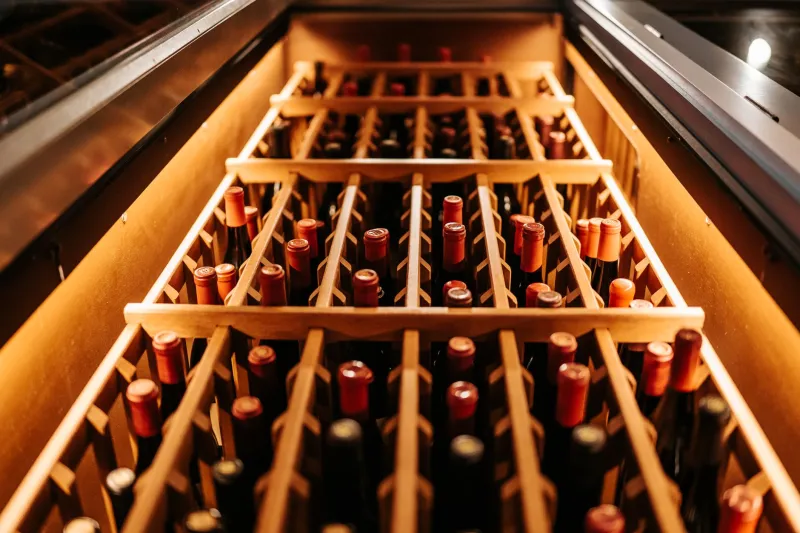
There's a moment every California winemaker knows well. The last tour group has left. The tasting room staff has gone home. The dogs are fed. And somewhere between the crush pad and the kitchen table, someone opens a bottle — and it's not always one they made.
This isn't a scandal. It's just the honest reality of life in wine country, and it tells us something fascinating about the people behind some of California's most celebrated labels. We spent several weeks visiting cellars, sitting in on dinners, and talking candidly with winemakers across Napa, Sonoma, the Santa Cruz Mountains, and the Central Coast. What we found was a community that holds deep, genuine love for California wine — and an equally genuine, sometimes conflicted admiration for what's coming out of Bordeaux, Burgundy, the Rhône, and beyond.
The Bordeaux Problem
Ask a Napa winemaker about Bordeaux and you'll usually get a careful answer. Ask them what's in their personal cellar and you'll get a real one.
"I've got probably four cases of Saint-Émilion tucked away," admits one winemaker from a well-known Oakville estate, who asked to remain unnamed for exactly the reasons you'd imagine. "Not because I think it's better than what I make. It's just... different. The restraint. The way it ages. I find it endlessly interesting."
That word — interesting — comes up constantly in these conversations. California winemakers aren't drinking Bordeaux because they think their own wine falls short. They're drinking it the same way a great chef eats at other restaurants: to stay curious, to benchmark, to taste something that challenges their assumptions.
Jeff Ames of TH Estate Wines in the Santa Cruz Mountains is refreshingly candid about it. "If you only ever drink what you make, you stop growing," he says, pouring a 2015 Pauillac alongside one of his own Cabernets. "These wines ask different questions. Drinking them makes me a better winemaker."
The California Regions They Quietly Admire
Here's where things get even more interesting. When California winemakers aren't reaching for French bottles, they're often reaching for California wine — just not necessarily from their own backyard.
Napa producers keep an eye on Sta. Rita Hills Pinot Noir with something close to reverence. Sonoma Coast winemakers talk about Amador County Zinfandel the way food writers talk about a hidden taqueria — like they've discovered something the rest of the world hasn't caught up to yet. And almost everyone, regardless of where they work, seems to have a soft spot for the Sierra Foothills.
"El Dorado County is doing things with Rhône varieties that nobody's really paying attention to," says one winemaker based in Healdsburg. "Old vines, real minerality, completely honest wine. I buy it whenever I can find it."
This cross-regional respect rarely makes it into marketing materials, but it's alive and well at the dinner table. It suggests a California wine community that's less territorial than its reputation implies — one that's genuinely rooting for the whole state to succeed.
The Tension Nobody Talks About
Still, there's a real tension here, and it would be dishonest to ignore it. California wine has spent decades fighting for legitimacy on the world stage. The 1976 Judgment of Paris. The rise of 100-point Cabernets. The cult wine phenomenon. All of it was built, in part, on a narrative of California-versus-the-world.
So when a winemaker quietly admits they'd rather drink a village-level Burgundy than a flashy Napa Chardonnay, it cuts against that story in a small but meaningful way.
"I think we've earned the right to be honest about this stuff," says winemaker Pax Mahle of Wind Gap Wines, who has never been shy about his love for European wines. "California doesn't need to pretend anymore. We make world-class wine. We also make wine that's different from world-class French wine. Both things are true."
Mahle's cellar is a good illustration of this philosophy: California bottles from producers he respects, mixed freely with wines from the Loire, Alsace, and the Jura. He doesn't see a contradiction. He sees a complete picture of what wine can be.
What It Means for the Rest of Us
For wine drinkers who aren't winemakers, all of this is actually pretty liberating news. The people who know California wine best aren't drinking it exclusively. They're exploring. They're comparing. They're letting their curiosity lead.
That's an invitation for the rest of us to do the same. If a Sonoma Coast Pinot Noir producer has a case of red Burgundy in their basement, maybe you should too — right alongside your favorite California bottles. The point isn't to rank them against each other. The point is to keep asking what wine can do.
California's best winemakers figured that out a long time ago. They just don't always say it out loud.